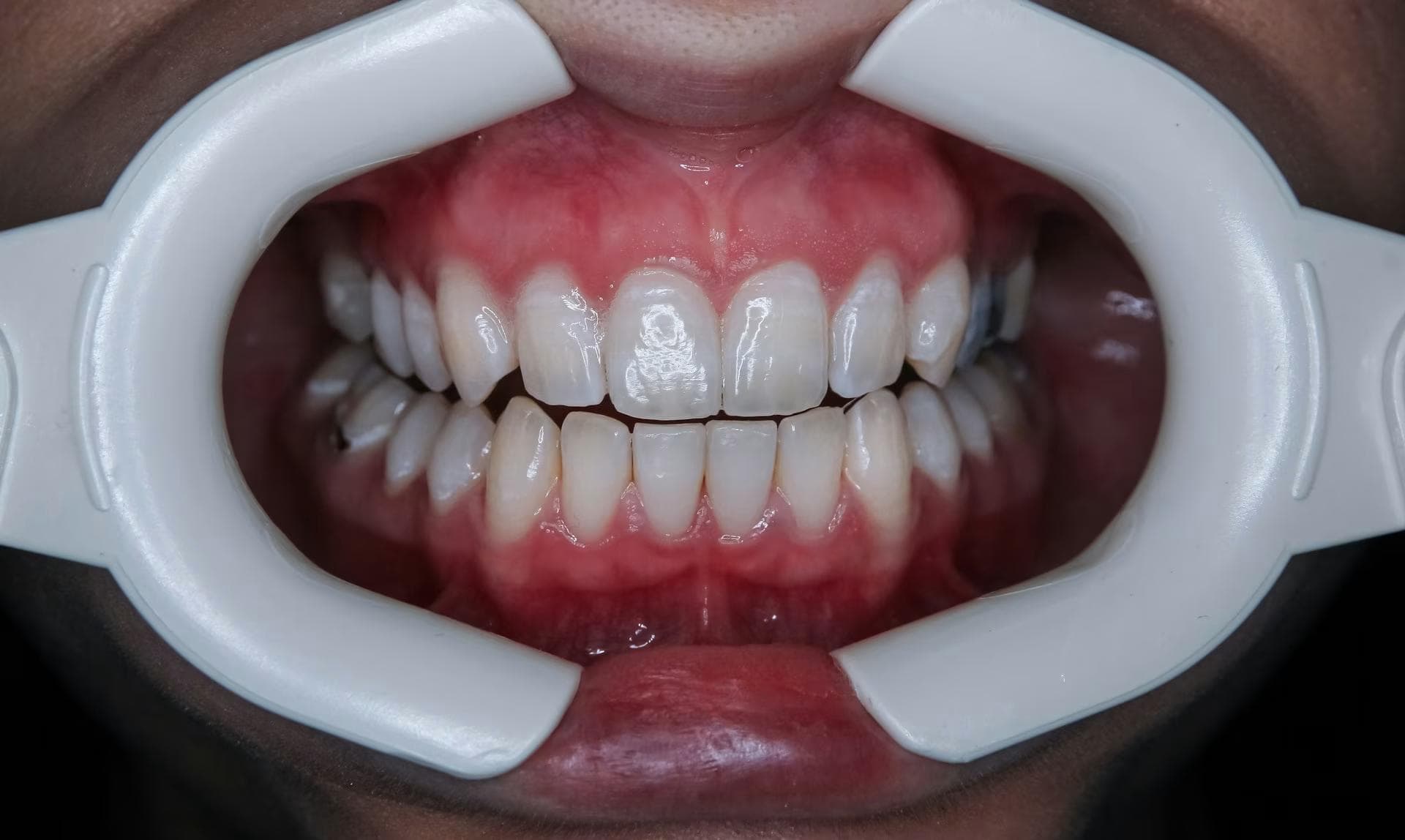
Tooth discolouration comes in two forms, and this distinction matters more than most whitening ads let on.
Extrinsic stains sit on the surface of the enamel and come from pigmented foods and drinks — coffee, red wine, berries, tomato sauce — and from tobacco use. These respond well to both surface polishing (a professional cleaning) and bleaching.
Intrinsic stains live inside the tooth structure, in the dentin layer beneath the enamel. These come from aging, certain antibiotics taken during tooth development (like tetracycline), fluorosis, or trauma to a tooth. Intrinsic stains respond to bleaching more slowly and sometimes not at all — this is one of the reasons the Canadian Dental Association recommends seeing a dentist before you commit to a whitening product, so you're not bleaching a tooth that won't actually change color
Teeth whitening products work through oxidation: hydrogen peroxide (or carbamide peroxide, which breaks down into hydrogen peroxide inside the mouth) penetrates the enamel and reacts with the organic pigment molecules trapped inside, breaking their chemical bonds so they no longer reflect color the same way.
This is the step most people skip, and it's the reason some at-home whitening kits produce disappointing, blotchy results.
A layer of plaque, tartar, or surface stain sits between the whitening gel and your enamel. If that layer isn't removed first, the bleach whitens unevenly — patches under tartar buildup stay darker than the surrounding tooth. A teeth cleaning in Oshawa before your whitening appointment does two things: it removes the surface stain and plaque that's blocking even bleach penetration, and it gives your hygienist a chance to check for cavities, receding gums, or exposed root surfaces that would make whitening painful or inappropriate right now.
At Groot Dental, a routine cleaning and exam is the standard first step we recommend before starting any whitening treatment — not because it's an upsell, but because whitening over untreated decay or gum inflammation is a recipe for a bad outcome and unnecessary sensitivity.
For most healthy adults, yes — when it's done under professional guidance. Health Canada states that home-use whitening products, whether purchased through a dental professional or at retail, are "generally safe when directions of use are carefully followed." The American Dental Association similarly notes that temporary tooth sensitivity and mild gum irritation are the most common side effects, typically appearing within two to three days of treatment and resolving on their own within about a week.
That said, both Health Canada and the Canadian Dental Association recommend talking to a dentist first — not skipping straight to a drugstore kit — if you:
One detail worth knowing: the ADA's Seal of Acceptance program only applies to over-the-counter products like specific toothpastes and strips. Professional in-office and dentist-supplied treatments aren't eligible for that seal — not because they're less safe, but because the seal program is structured around consumer retail products, not clinical procedures.
Tooth whitening is one of the few dental treatments with no needle, no drill, and no freezing. Here's the sequence, step by step.
The 48-hour "diet"
Avoid, for two full days after treatment:
Safe: water, milk, plain chicken or fish, rice, pasta with white sauce, cauliflower, bananas, plain yogurt, white cheese. If you must have coffee, drink it iced through a straw — it keeps most of the liquid off the front surfaces of your upper teeth.
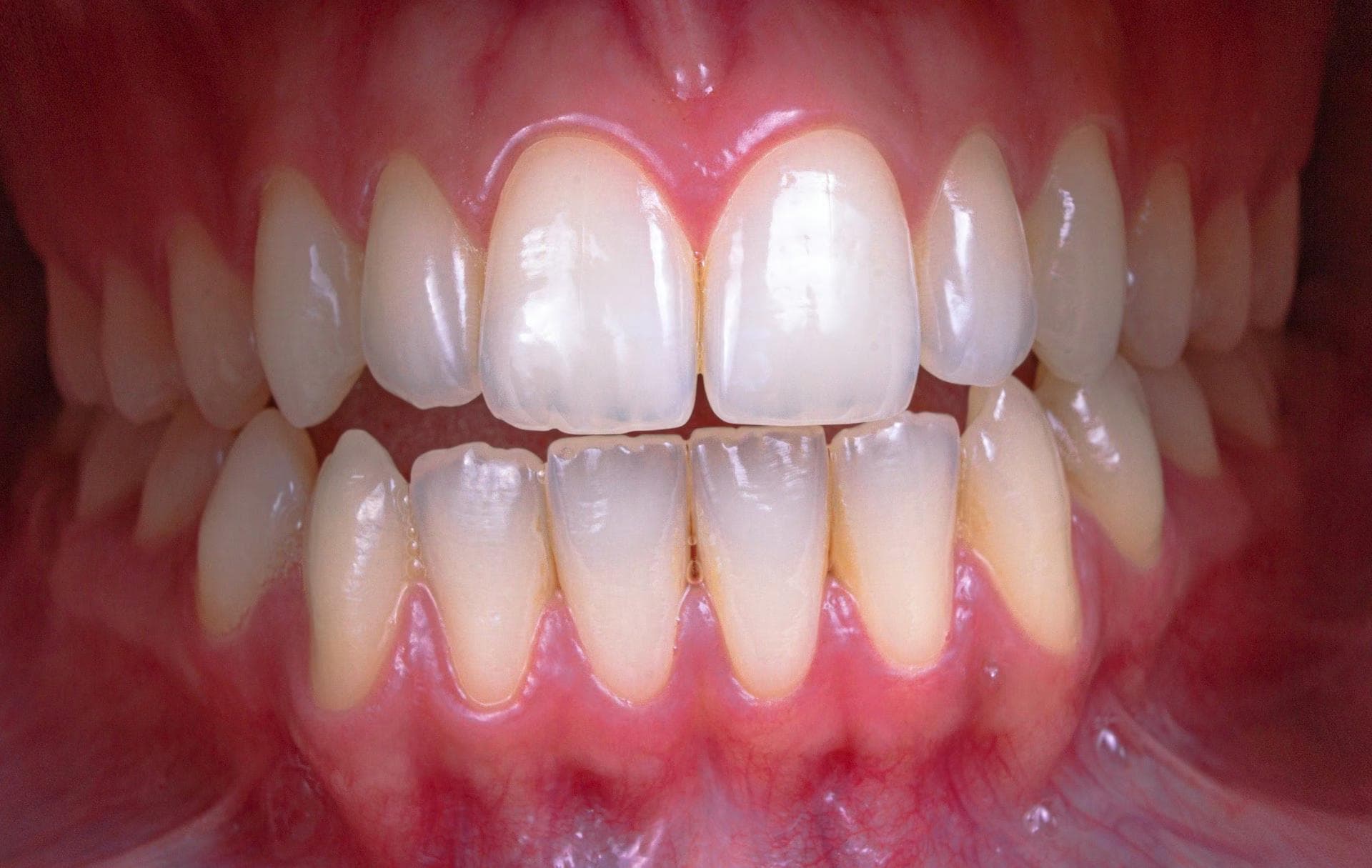
Tooth sensitivity is the most common side effect of whitening, and it is normal. Peroxide passes temporarily through enamel and dentin toward the pulp, which can produce sharp, brief zings triggered by cold air or cold drinks.
What's true about it:
There is no fixed expiry date, but the pattern is consistent, and your habits drive it almost entirely.
| Habit profile | Realistic maintenance interval |
|---|---|
| No coffee/tea/wine, non-smoker, regular hygiene visits | Longest-lasting; top-ups rarely needed |
| 1–2 coffees or teas daily, non-smoker | Occasional top-up nights with your trays |
| Heavy coffee, black tea, red wine, or curry | More frequent top-ups needed |
| Smoker or vaper | Shortest-lived result by a wide margin |
Four practical things that stretch the result: rinse with water right after anything staining, use a straw for iced coffee and cola, keep your scheduled hygiene appointments, and hold onto your custom trays — a single top-up night is far cheaper than repeating the whole treatment.
————————
Groot Dental offers gentle, dentist-guided teeth whitening for patients throughout Oshawa, from an initial cleaning and consultation through to your final shade check. If you're not sure whether in-office or take-home whitening is the better fit for your teeth, that's exactly what your consultation is for.
Book your teeth whitening consultation at Groot Dental, 50 Richmond St E Unit 111, Oshawa, ON L1G 7C9 — call (905) 240-1919 or email grootdental@gmail.com.
Results typically last six months to two years, depending on your diet, oral hygiene, and whether you smoke. Coffee, tea, red wine, and tobacco all shorten how long the results stay visible. Touch-up trays can extend results without a full repeat treatment.
Our expert team at Groot Dental is here to help you achieve your oral health goals in Oshawa. Let’s discuss how we can personalize your care.