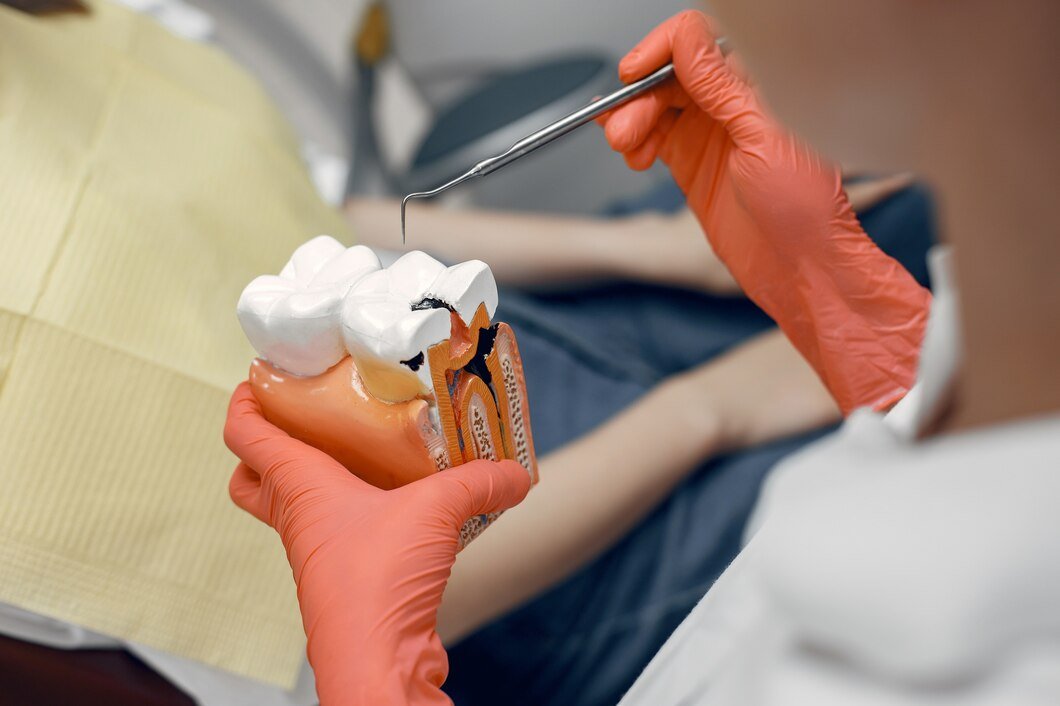
Teeth extractions in Oshawa are a common dental procedure that many patients may require due to various reasons, including severe decay, infection, or overcrowding. While the thought of having a tooth removed might sound intimidating, it’s essential to understand that modern dental practices and advanced techniques have made this procedure safe, comfortable, and relatively stress-free. In this blog, we’ll discuss how to prepare for a teeth extraction, what to expect during the procedure, and how to ensure a smooth recovery afterward.
Why Teeth Extractions in Oshawa May Be Necessary
Before moving into the specifics of preparation and recovery, it’s important to understand why tooth extractions might be necessary. Some common reasons include:
- Severe Tooth Decay: If a cavity or infection has extensively damaged the tooth beyond repair, removal might be the best option.
- Impacted Wisdom Teeth: Wisdom teeth can sometimes become impacted or grow at odd angles, causing pain and potentially damaging nearby teeth.
- Overcrowding: In some cases, a dentist may recommend extraction to create space in the mouth, particularly for orthodontic treatments.
- Gum Disease: Advanced gum disease can lead to the loosening of teeth, necessitating extraction to protect overall oral health.
When you visit a tooth extraction clinic, the dentist will evaluate your condition and determine whether extraction is the best course of action. If it is, they will discuss the procedure and answer any questions you may have.
Preparing for a Stress-Free Teeth Removal Experience
The first step in preparing for a teeth extraction is scheduling a consultation with your dentist. During this visit, your dentist will take X-rays of the affected area to assess the tooth’s condition and its root structure. This helps the dentist determine the best approach for the extraction. Here are a few steps to prepare:
- Discuss Medical History: Be sure to inform your dentist about any medical conditions you have, as well as any medications you are currently taking. This includes blood thinners or any other prescriptions, as they can impact your ability to clot or affect the procedure.
- Plan for Aftercare: You’ll need to arrange transportation if you’re having sedation, as you may not be able to drive yourself home. Additionally, ensure you have someone who can help you after the procedure, especially if you experience any discomfort.
- Avoid Eating or Drinking Before the Procedure: If you’re going under sedation, your dentist will advise you to avoid eating or drinking for a certain period before the extraction. This helps ensure that the procedure goes smoothly and reduces the risk of complications.
- Stock Up on Soft Foods: After the extraction, you’ll need soft foods like soup, yogurt, mashed potatoes, and smoothies. These foods will make the healing process easier and more comfortable.
What to Expect During the Extraction Procedure
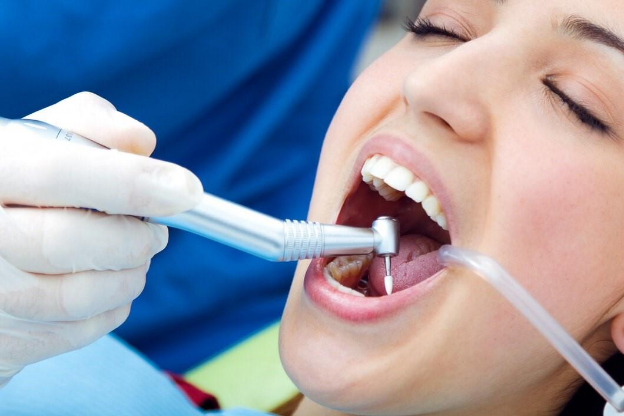
When you arrive at the clinic, your dentist will walk you through the steps of the procedure. Depending on the complexity of your case, you may undergo either a simple or surgical extraction.
- Anesthesia: For a routine extraction, local anesthesia will be administered to numb the area around the tooth. If you’re anxious or having multiple teeth removed, your dentist may offer sedation options, such as nitrous oxide (laughing gas) or oral sedatives, to help you relax.
- Removal Process: During the extraction, your dentist will gently loosen the tooth and remove it. In more complex cases, such as impacted teeth, the dentist may need to make a small incision in the gum tissue or break the tooth into smaller pieces for easier removal.
- Minimal Discomfort: Most patients experience only mild pressure during the extraction. Modern techniques and anesthesia ensure that the process is as comfortable as possible.
Immediate Aftercare Following Teeth Extractions
After the procedure, it’s normal to feel some discomfort or swelling. The immediate aftercare steps are crucial to ensure a smooth and quick recovery. Here’s what to expect:
- Pain Management: Your dentist will prescribe pain medications or recommend over-the-counter options. It’s important to follow their instructions carefully to manage any pain or swelling.
- Ice Packs: Applying ice packs to the outside of your cheek can help reduce swelling. Use a cloth to protect your skin and apply the ice in 20-minute intervals for the first few hours after the procedure.
- Rest: Give yourself time to rest following the extraction. Avoid any strenuous activities for at least 24-48 hours to minimize the risk of complications.
- Avoid Smoking and Drinking Through Straws: Smoking can slow down the healing process, and using straws can create suction that may dislodge the blood clot from the extraction site, leading to dry socket.
Longer-Term Recovery: How to Care for the Extraction Site
As you continue to heal, proper care will ensure that your recovery goes smoothly. Here are some tips for managing your recovery after teeth extractions in Oshawa:
- Oral Hygiene: Keep the extraction site clean by gently rinsing your mouth with warm salt water starting 24 hours after the procedure. Be cautious not to disturb the site, and avoid brushing directly over it for the first few days.
- Follow-Up Appointment: Your dentist may schedule a follow-up visit to ensure that the extraction site is healing properly and to check for any potential complications, such as infection.
- Watch for Complications: If you experience excessive pain, unusual swelling, or bleeding that doesn’t subside after a few days, it’s important to contact your dentist right away. Complications are rare but can happen, and prompt attention will prevent further issues.
Post-Extraction Care: Steps to follow for a Speedy Recovery
Teeth extractions are a common and routine procedure that can significantly improve your oral health. With the right preparation and aftercare, you can recover quickly and comfortably, resuming your normal activities without issue. Whether you’re dealing with severe decay, impacted teeth, or overcrowding, visiting a tooth extraction clinic in Oshawa will provide you with the professional care you need.
Remember, your dentist is always there to guide you through the process, answer your questions, and support your recovery. If you’re considering teeth removal, don’t hesitate to contact Groot Dental to learn more about the procedure and schedule a consultation.
Your oral health is our priority, and we’re here to help you every step of the way.